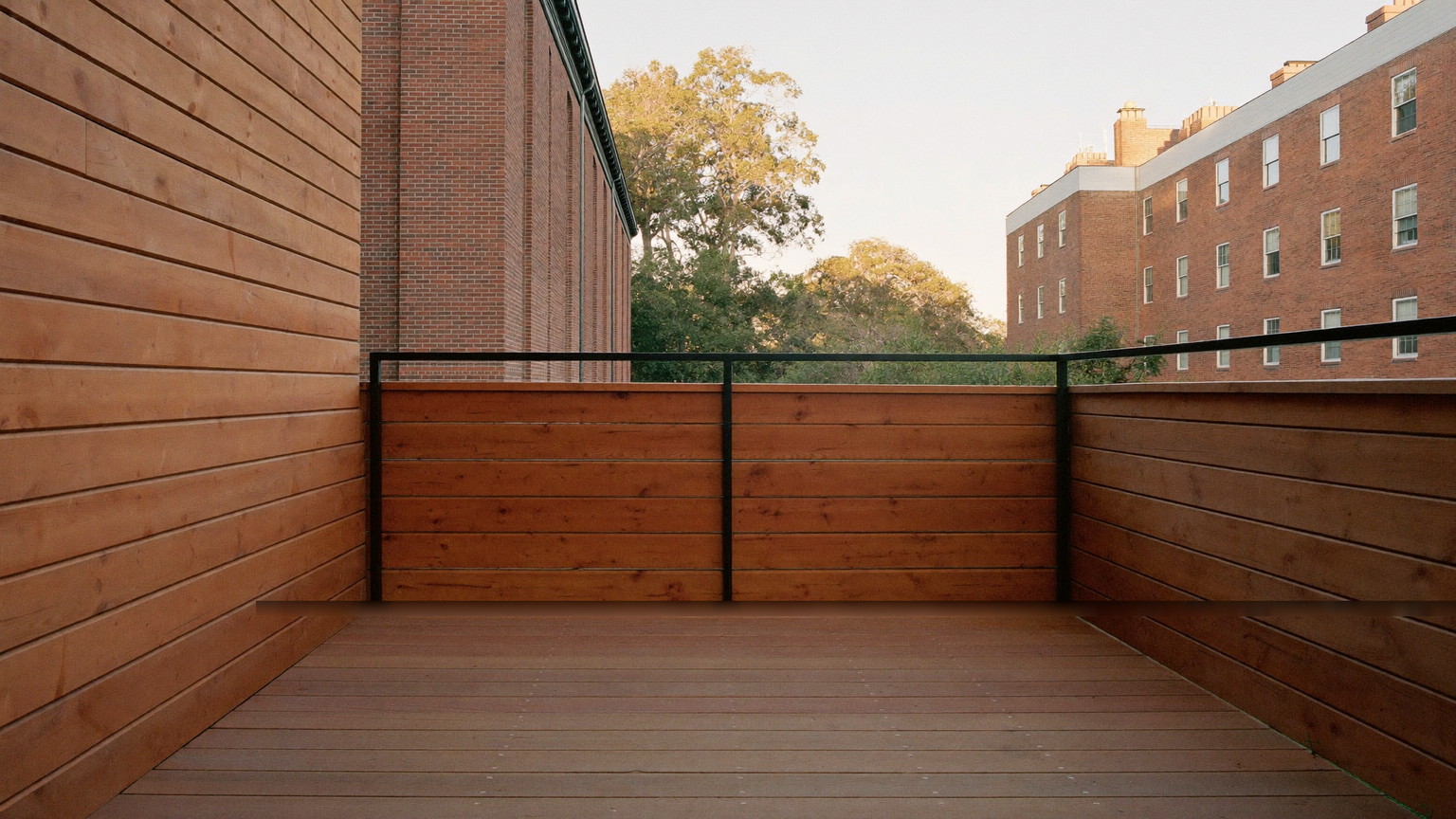
Rooms the weather can’t close. Decks & Porches in South End, Boston
Illustrative imagery
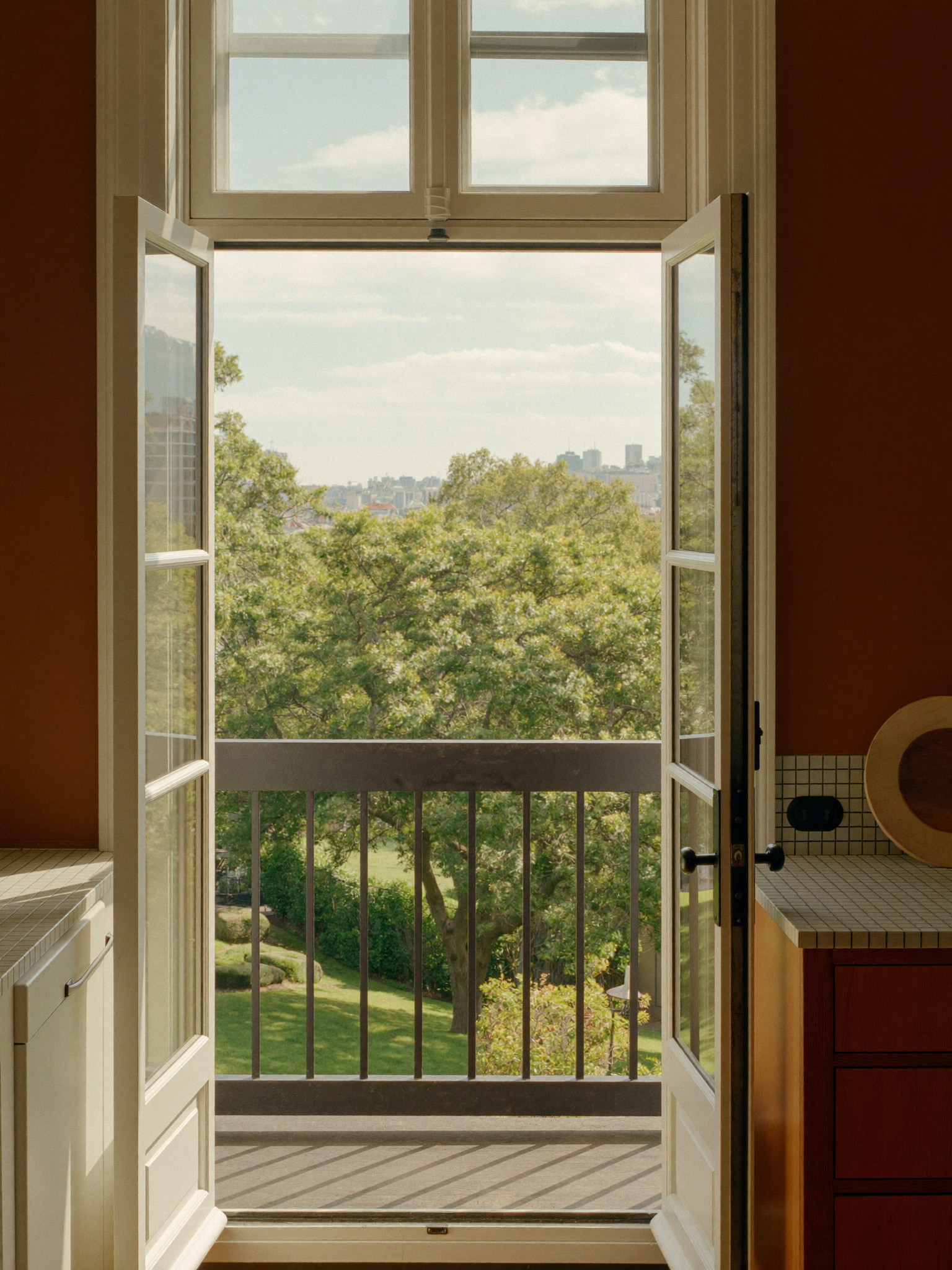 From the kitchen, straight outside
The service, told honestly
Outdoor rooms that survive the weather that makes them worth having.
A South End rear deck or porch works a full New England year — snow sitting on it in January, rain soaking it in May, sun baking it in August. Building one that stays flat, tight, and safe through that cycle is structural craft before it is styling.
JP Creative Maintenance builds and repairs rear decks and porches around the South End with the details that matter in tight urban lots: sound framing, properly flashed ledgers, and fasteners that will never bleed rust down your boards.
The result is the outdoor room your family lives on from April through October — and trusts under February snow.
What we help with
Built for New England.
Six ways we build outside.
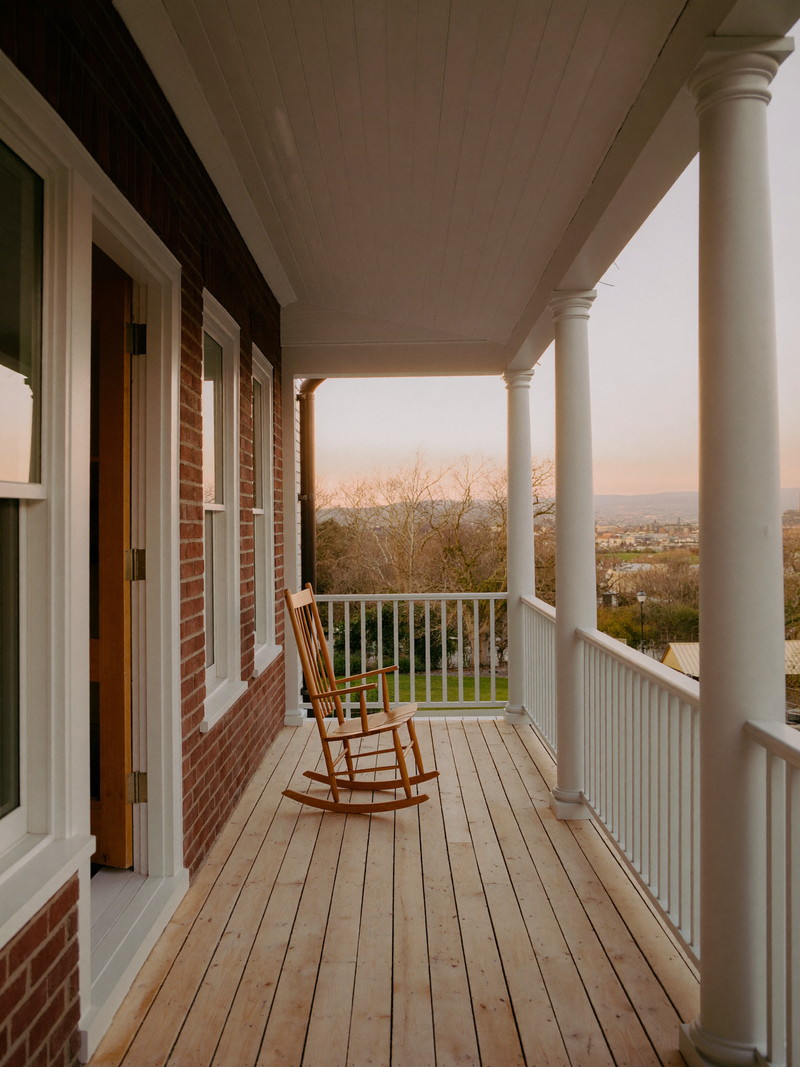 The farmer’s porch
Illustrative
The farmer’s porch
Illustrative
New Decks
Pressure-treated frames with cedar or composite decking, sized and engineered for New England snow load.
Farmer’s Porches
The classic front-of-house porch — columns, beadboard ceilings, and railings that suit older Massachusetts homes.
Stairs & Railings
Safe, code-right stairs and railings, from simple balusters to cable and metal systems.
Structural Repair
Sistered joists, replaced ledgers, new footings — honest repair when the bones deserve saving.
Staining & Sealing
Surface prep and penetrating finishes that protect the investment and keep the grain beautiful.
Screened Porches
Bug-free evenings from June through September, with framing and screening that hold up.
 Stairs people trust
Illustrative
Stairs people trust
Illustrative
The finished deck
Room outside
Illustrative imagery shown here — genuine completed JP deck and porch projects are photographed on our Projects page.
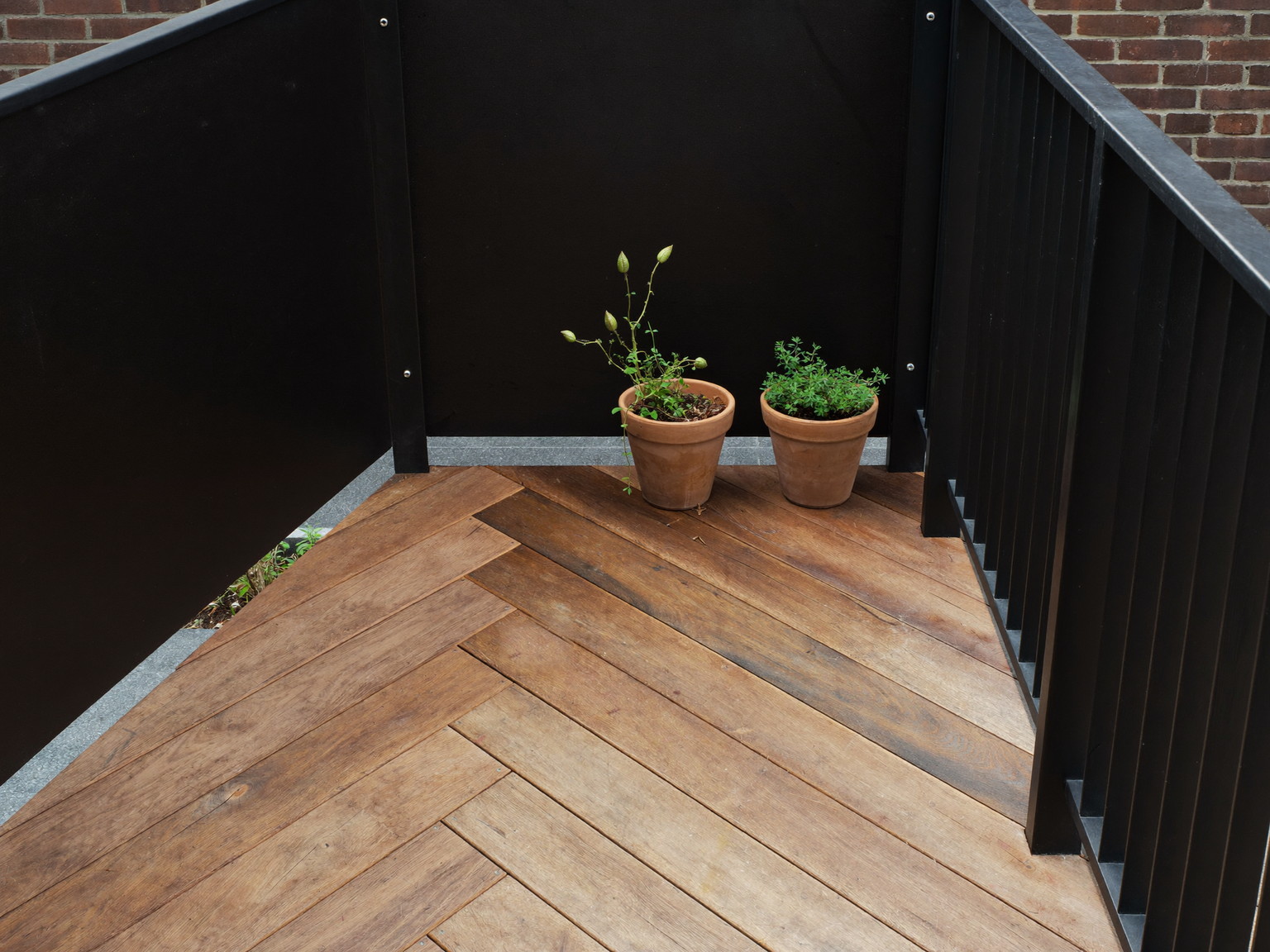 Illustrative imagery
Materials & details
Wood, composite, and the honest trade-offs.
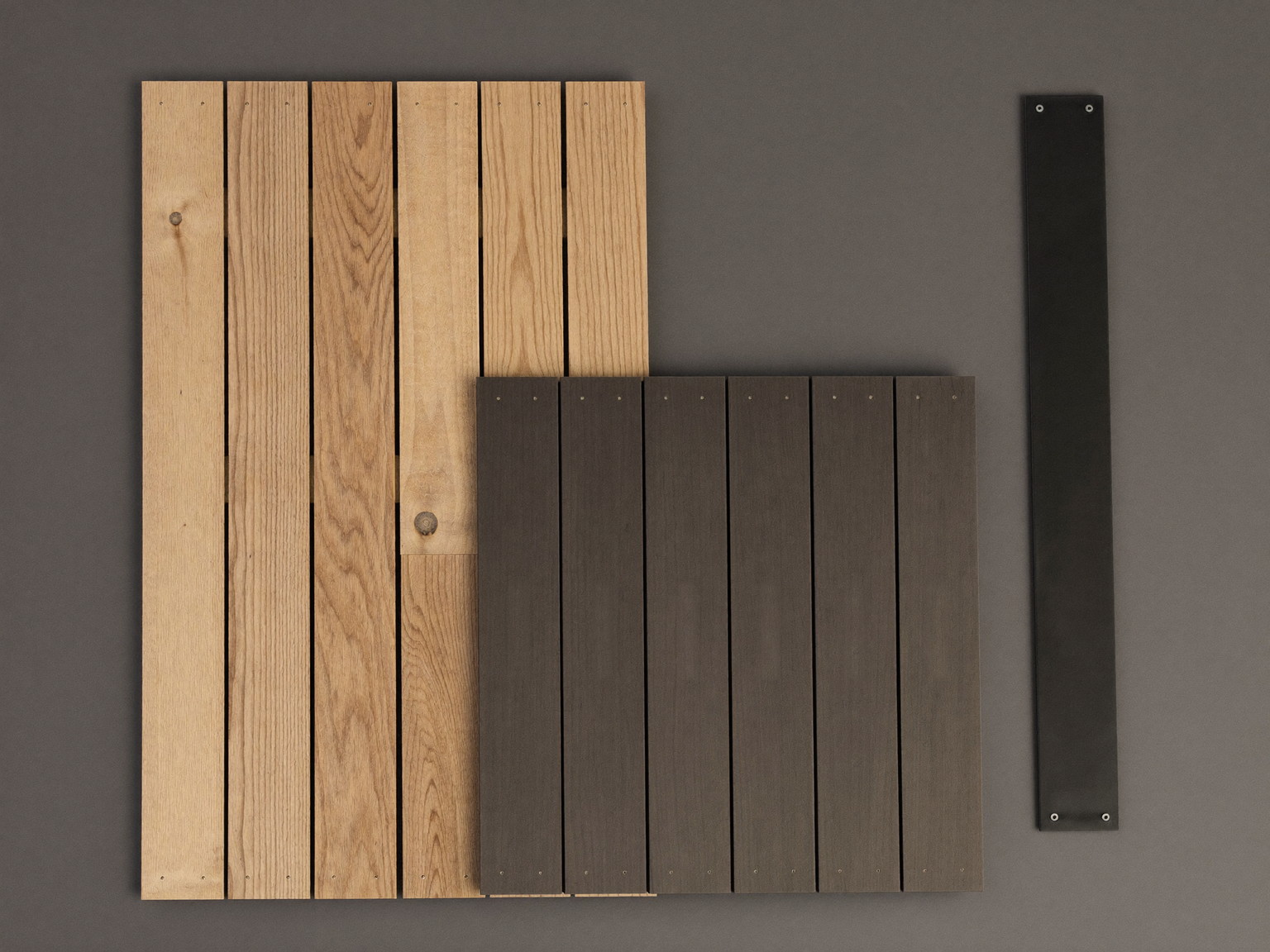
Cedar and pressure-treated wood cost less up front and refinish beautifully, but ask for a stain cycle every few years. Composite costs more on day one and then mostly asks to be swept.
Railings set the look: matching wood reads classic New England; black metal balusters disappear and keep the view. We show you both against your actual backyard.
Ledger flashing is the detail nobody sees and everybody needs — it is why our decks do not rot the band joist behind them.
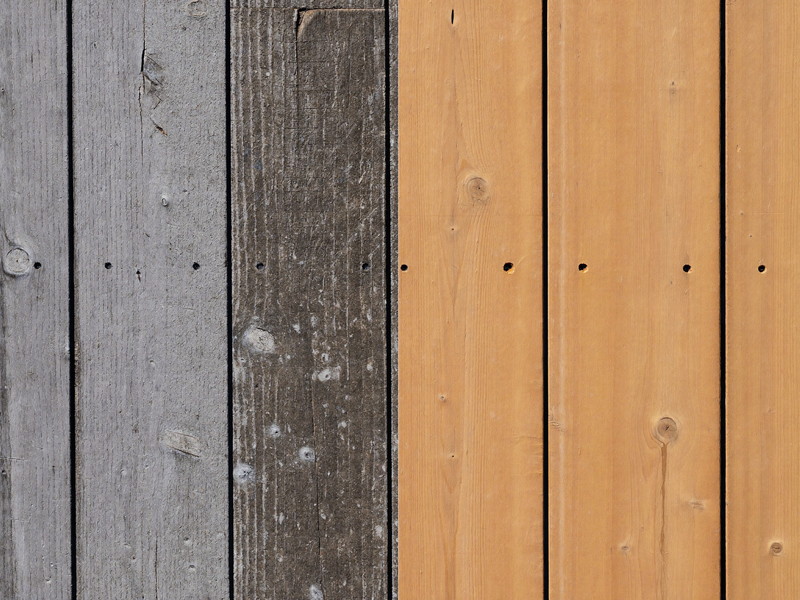
Freeze–thaw, snow load, sun, and trapped moisture each tax a deck differently. We inspect the structure first and tell you plainly what can be saved — and what cannot.
How we work
Four steps against the weather.
Footings & frame for snow load
Sonotubes below the frost line and joist spans sized for real Massachusetts winters, not the minimums.
Flash the ledger right
The connection to your house is where decks fail. Ours is flashed, sealed, and bolted so water never wins.
Deck & rail with the right fasteners
Stainless or coated fasteners matched to the decking, hidden where the design calls for it.
Protect it for the weather
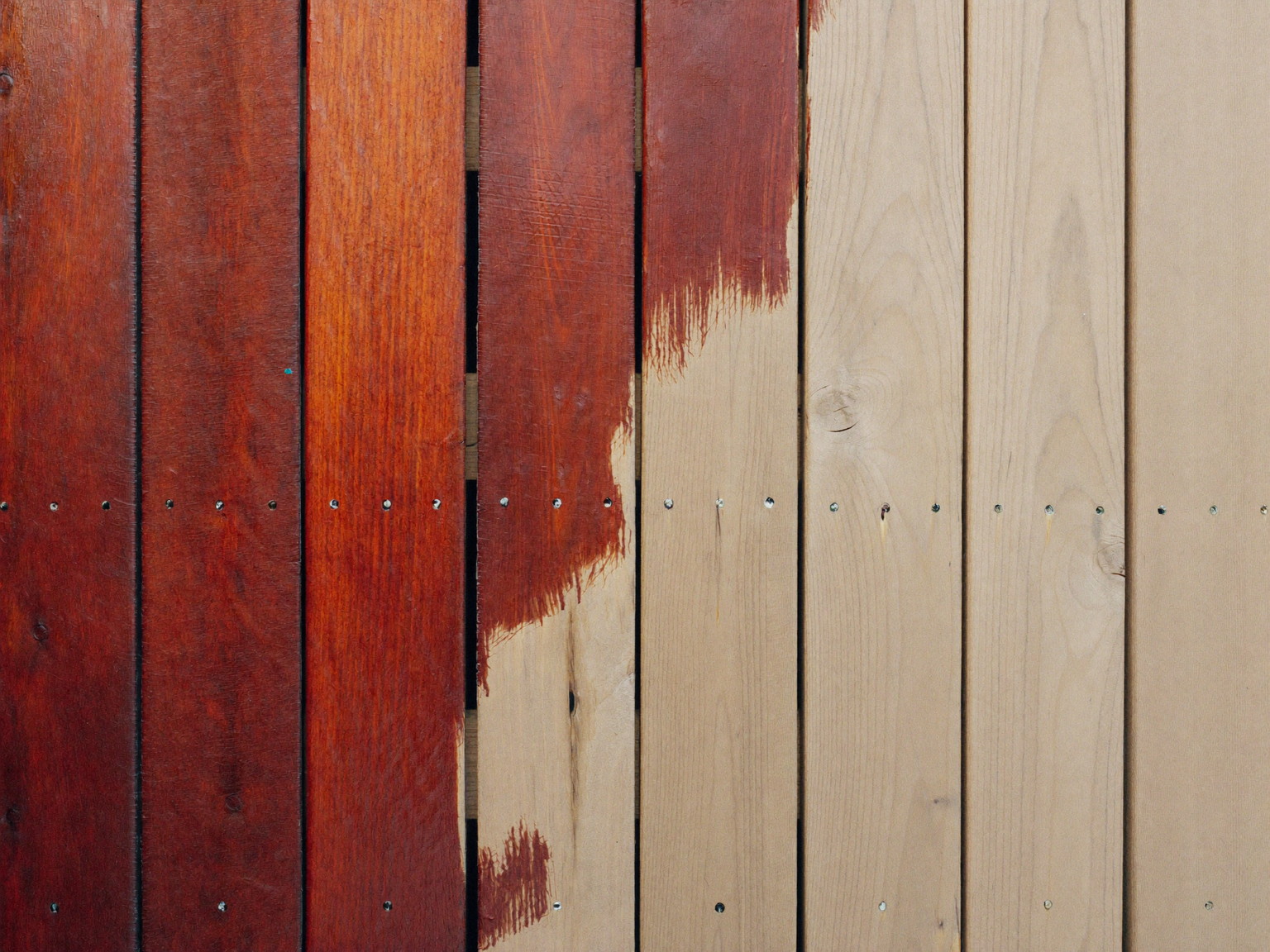
Stain or seal on wood, correct gapping on composite, and a maintenance rhythm you can actually keep.
At home in the South End
Backyards we know by season.
Around the South End, deck and porch work follows the calendar — repairs after first thaw, builds through the green months, sealing before the first hard frost. We schedule around it honestly.
Brownstones and brick rowhouses each carry a rear porch or deck differently — we proportion the build to the home and the lot, not to a catalog page.

Who you’ll actually work with
The person who inspects your framing is the person who drives the last screw.
Juliano — Owner · your single point of contact
One local craftsman handles design, permits, structure, and finish — and stands behind the deck through the seasons it was built for.
Decks & Porches FAQ
Decks and porches in the South End, answered.
Both perform well in the city. Wood costs less up front and can be refinished for decades; composite costs more on day one and then mostly asks to be swept. We price the lifetime honestly — including the stain cycles — so the choice is genuinely yours.
We inspect the bones first. Sound footings and framing mean new boards, rails, and stairs can transform the deck for far less than a rebuild — and if the structure is past saving, we say so plainly before you spend a dollar.
Sonotube footings below the frost line, framing sized past the code minimums for real snow load, and hardware rated for it all. The invisible work is what keeps a deck flat and safe through years of freeze and thaw.
Gladly — they are some of our favorite projects. A sound, well-proportioned rear porch suits a brownstone or brick rowhouse, adds real curb presence, and gives you a dry landing in every season.
Footings need thawed ground, so building season runs roughly April through November. Book in late winter for a spring slot; a fall build is ready for its first staining the following season.
Once permits and materials are set, most straightforward decks run one to two weeks on site; roofed porches run longer. You get a written schedule up front and straight answers if weather moves it.
Ready when you are
Tell us about your yard — a few photos and rough dimensions are plenty to start. You’ll get a clear, itemized estimate after a site visit.
Request an Estimate →(617) 992-8205
Serving South End homeowners · one accountable point of contact
View real projects ← Back to South End, Boston Home Improvement Services Painting Services in the South End